Key Takeaways
- Local businesses need different lead generation strategies than national brands , proximity and trust matter more than scale
- AI-powered systems can automate 70% of your lead nurturing while maintaining personal touch
- The best leads come from referrals and local SEO, not expensive Facebook ads
- Most service businesses waste money on leads that aren’t ready to buy , qualification saves thousands
- Simple automation can turn one lead into three customers through proper follow-up
We’ve watched too many local service businesses burn through marketing budgets chasing the wrong leads. A dental practice spends $3,000 on Google Ads targeting “teeth cleaning” and wonders why half their calls are price shoppers. An HVAC company buys a list of 500 “hot leads” that turn out to be three years old.
The problem isn’t that lead generation doesn’t work for local businesses. It’s that most approaches ignore what makes local service businesses different: you’re selling trust, convenience, and expertise to people in your neighborhood.
Here’s what actually works when you understand your market.
Understanding Lead Generation for Local Service Businesses

Lead generation for local businesses isn’t about casting the widest net , it’s about casting the right net in the right pond. When someone’s furnace breaks at 9 PM, they’re not comparison shopping across three states. They want a trusted local company that can fix it tomorrow.
What Makes Local Leads Different
Local leads behave differently than national ones. They search for “dentist near me,” not “best dental practice in America.” They read Google reviews from neighbors, not industry publications. Most importantly, they buy based on convenience and trust, not just price.
This changes everything about how you should approach lead generation. A MedSpa in Dallas doesn’t compete with one in Denver , they compete with the three other MedSpas within 15 minutes of their location. Your lead generation strategy should reflect this reality.
The Trust Factor in Local Markets
Trust accelerates everything in local service businesses. A referral from a happy customer is worth 10 cold calls. A five-star Google review generates more leads than most paid advertising. This is why the best local lead generation strategies focus on amplifying trust signals, not just generating volume.
We’ve seen HVAC companies double their lead quality simply by showcasing customer testimonials from specific neighborhoods. When prospects see that you’ve helped their neighbor on Maple Street, you’re no longer a stranger , you’re the company that takes care of people like them.
Timing and Urgency in Local Services
Local service leads often have immediate needs. A broken air conditioner in July isn’t a “someday” problem. A toothache doesn’t wait for business hours. Your lead generation system needs to capture and respond to these urgent needs quickly, or prospects will call the next company on the list.
The businesses that win understand this urgency. They have systems that respond to leads within minutes, not hours. They make it easy to book appointments online. They understand that in local services, speed often matters more than perfection.
Traditional Lead Generation Methods That Still Work
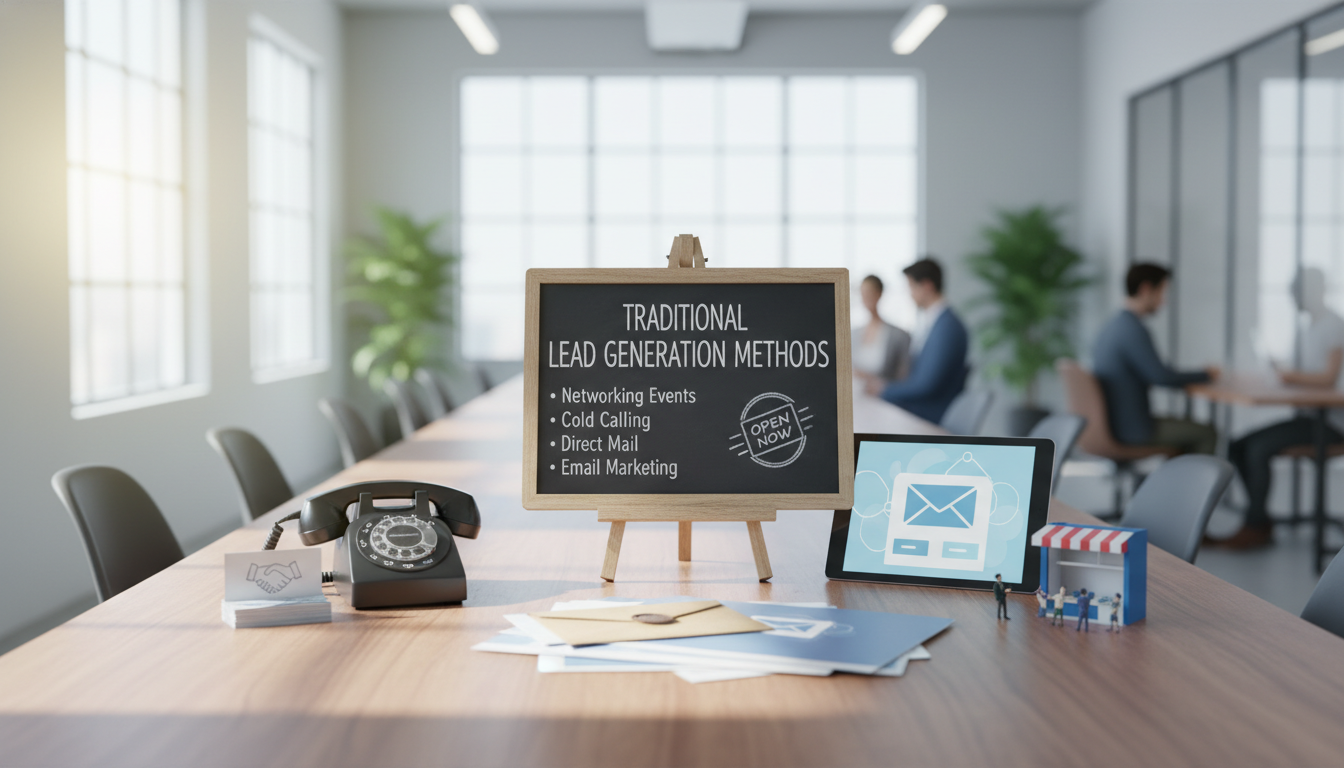
Before diving into AI and automation, let’s acknowledge what’s always worked for local businesses. These foundational methods haven’t become obsolete , they’ve become more powerful when enhanced with modern tools.
Referral Programs That Actually Generate Referrals
Most referral programs fail because they’re forgettable. “Tell your friends about us” isn’t a system , it’s a hope. Effective referral programs make it easy and rewarding for happy customers to send business your way.
A successful dental practice we know sends a handwritten thank-you note with every referral, along with a $50 credit for both the referrer and the new patient. More importantly, they ask for referrals at the right moment , right after a successful treatment when satisfaction is highest.
The key is systematizing the ask. Train your team to identify referral moments and have a simple process for capturing and tracking referrals. Many businesses miss dozens of potential referrals simply because they never ask.
Local SEO as Your Foundation
Local SEO isn’t just about ranking higher , it’s about being found when people in your area need your services. This means optimizing for location-specific searches, maintaining accurate business listings, and earning reviews from local customers.
Google My Business optimization alone can double your local visibility. Complete profiles with photos, hours, and regular updates signal to Google that you’re an active local business. Encourage satisfied customers to leave reviews, and respond to all reviews professionally.
Don’t overlook the power of local content. Blog posts about “Preparing Your HVAC System for Texas Summers” or “Common Dental Issues in Our Community” help establish local authority while targeting location-specific searches.
Community Involvement and Local Partnerships
Local businesses thrive on community connections. Sponsoring a little league team, participating in community events, or partnering with complementary businesses creates natural lead generation opportunities.
A MedSpa might partner with a local gym to offer wellness seminars. An HVAC company could sponsor a home and garden show booth. These activities build brand awareness and trust within your target market while generating qualified leads from people who already know and trust you.
The most successful local businesses think beyond direct advertising. They become part of the community fabric, which makes lead generation feel natural rather than pushy.
Digital Lead Generation Strategies for 2026
Digital lead generation has evolved far beyond basic websites and Google Ads. Today’s most effective strategies combine multiple touchpoints to guide prospects through a journey from awareness to appointment.
Content Marketing That Converts Locally
Content marketing for local businesses isn’t about viral blog posts , it’s about answering the specific questions your local customers ask. Create content that addresses local concerns, seasonal issues, and common problems in your service area.
An HVAC company in Phoenix should write about monsoon season preparation, not general air conditioning tips. A dental practice in a retirement community should focus on senior dental health, not pediatric care. Local relevance makes your content more valuable and more likely to convert.
Video content performs exceptionally well for local businesses. Simple videos showing your team, explaining common services, or giving seasonal tips help prospects get to know you before they call. This pre-builds trust and makes the sales conversation easier.
Social Media for Local Engagement
Social media for local businesses isn’t about going viral , it’s about staying visible to your local community. Share customer success stories, behind-the-scenes content, and helpful tips relevant to your area.
Facebook and Instagram work well for most local services, but don’t ignore platform-specific opportunities. LinkedIn can be valuable for B2B services like commercial HVAC or business insurance. TikTok might work for younger-skewing services like cosmetic dentistry or fitness.
The key is consistency and local relevance. Post regularly, engage with local hashtags, and share content that makes your business feel approachable and trustworthy.
Email Marketing That Nurtures Local Relationships
Email marketing for local businesses should feel like communication from a trusted neighbor, not a faceless corporation. Segment your lists by service type, location, and customer stage to deliver relevant messages.
Seasonal reminders work particularly well for service businesses. HVAC companies can send pre-summer maintenance reminders. Dental practices can send appointment reminders and oral health tips. The goal is to stay top-of-mind for when services are needed.
Automation makes this scalable without losing the personal touch. Set up welcome sequences for new subscribers, follow-up sequences for service inquiries, and re-engagement campaigns for dormant contacts.
AI-Powered Lead Generation Systems

Artificial intelligence isn’t replacing human connection in local businesses , it’s making human connection more efficient and effective. AI handles the repetitive tasks so your team can focus on building relationships and closing sales.
Intelligent Lead Scoring and Qualification
Not all leads are created equal, and AI can help you identify which prospects are most likely to become customers. By analyzing patterns in your existing customer data, AI can score new leads based on factors like location, service interest, and engagement behavior.
This means your sales team spends time on qualified prospects instead of chasing dead ends. A dental practice might prioritize leads who live within 10 miles, have dental insurance, and visited multiple service pages. An HVAC company might focus on homeowners in specific zip codes during peak seasons.
AI-powered qualification also improves customer experience. Instead of generic follow-up, prospects receive relevant information based on their specific interests and needs.
Automated Follow-Up That Feels Personal
The fortune is in the follow-up, but most businesses fail at consistent follow-up because it’s time-consuming and easy to forget. AI-powered systems can automate follow-up sequences while maintaining personalization.
These systems can send different messages based on lead source, service interest, and engagement level. A prospect who downloaded a teeth whitening guide receives different follow-up than someone who called about emergency dental care. The automation ensures no lead falls through the cracks while keeping messages relevant.
Smart automation also knows when to stop. If a prospect books an appointment or goes cold, the system adjusts accordingly. This prevents the annoying over-communication that drives prospects away.
Chatbots and Conversational AI
Website chatbots have evolved from simple FAQ tools to sophisticated lead generation systems. Modern chatbots can qualify prospects, schedule appointments, and provide instant responses to common questions , even outside business hours.
For local service businesses, this is particularly valuable because many prospects research services outside normal business hours. A chatbot can capture leads at 11 PM when your office is closed, potentially beating competitors who don’t respond until the next day.
The key is balancing automation with human handoff. Use chatbots for initial qualification and simple questions, but ensure complex issues and qualified leads get transferred to human team members quickly.
Converting Leads into Customers
Generating leads is only half the battle , converting them into paying customers is where many local businesses struggle. The conversion process requires speed, persistence, and the right approach for each type of prospect.
Response Time and First Contact Strategy
Speed kills in local service lead conversion. Studies consistently show that businesses responding to leads within five minutes are 100 times more likely to connect than those waiting an hour. For urgent services like emergency dental care or HVAC repair, this window is even shorter.
Develop a systematic approach to lead response. Use automation to send immediate acknowledgment messages, but follow up with human contact as quickly as possible. Train your team on effective first-contact scripts that focus on understanding needs rather than pitching services.
Consider the prospect’s mindset during first contact. Someone calling about a broken furnace in winter is stressed and needs reassurance. Someone researching cosmetic dentistry is evaluating options and needs information. Tailor your approach accordingly.
Nurturing Leads Through the Sales Funnel
Not every lead is ready to buy immediately. Effective lead nurturing keeps your business top-of-mind while providing value until prospects are ready to move forward. This is where many local businesses lose potential customers , they either give up too quickly or become too pushy.
Create nurturing sequences based on service type and urgency level. Emergency services might have shorter, more frequent touchpoints. Elective services like cosmetic procedures might require longer nurturing with educational content and social proof.
Use multiple channels for nurturing , email, text messages, phone calls, and even direct mail for high-value prospects. The goal is to stay visible without being annoying, providing value at each touchpoint.
Overcoming Common Objections
Local service businesses face predictable objections: price concerns, timing issues, and trust hesitations. Prepare your team with responses that address these concerns while moving the conversation forward.
Price objections often mask value concerns. Instead of immediately offering discounts, help prospects understand the value of quality service. Share examples of what happens when people choose the cheapest option, and explain your process for ensuring quality results.
Trust objections are common with new prospects. Address these with social proof , customer testimonials, before-and-after photos, and professional certifications. Make it easy for prospects to verify your credibility through online reviews and references.
Measuring and Optimizing Your Lead Generation
What gets measured gets improved. Effective lead generation requires tracking the right metrics and continuously optimizing based on data, not assumptions.
Key Metrics That Matter for Local Businesses
Focus on metrics that directly impact your bottom line. Lead volume is less important than lead quality. A dental practice generating 50 qualified leads per month will outperform one generating 200 unqualified leads.
Track cost per lead by source to identify your most efficient channels. Monitor conversion rates from lead to appointment and appointment to customer. Measure customer lifetime value to understand which lead sources generate the most profitable customers.
Don’t forget to track speed metrics , how quickly you respond to leads and how long your sales cycle takes. In local services, faster often wins, even if it’s not perfect.
A/B Testing for Continuous Improvement
Small improvements in conversion rates compound over time. Test different elements of your lead generation system , landing page headlines, email subject lines, follow-up timing, and call scripts.
Start with high-impact tests that are easy to implement. Test one element at a time to isolate what’s driving results. For local businesses, even small improvements can mean significant revenue increases over time.
Document your tests and results. What works for one service might not work for another, and seasonal factors can affect results. Build a knowledge base of what works for your specific business and market.
Using Data to Refine Your Strategy
Regular analysis of your lead generation data reveals patterns and opportunities. Maybe leads from certain zip codes convert better. Perhaps prospects who engage with specific content are more likely to book services. Use these insights to refine your targeting and messaging.
Look for seasonal patterns in your data. HVAC companies see predictable spikes before summer and winter. Dental practices often see increases in January when insurance benefits reset. Plan your lead generation activities around these patterns.
Don’t ignore qualitative data. Survey customers about how they found you and what influenced their decision. This feedback often reveals opportunities that numbers alone don’t show.
| Manual Lead Generation | AI-Powered Lead Generation |
|---|---|
| Reactive response to inquiries | Proactive lead identification and nurturing |
| Generic follow-up messages | Personalized communication based on behavior |
| Manual lead scoring and prioritization | Automated qualification and routing |
| Business hours only availability | 24/7 lead capture and initial response |
| Inconsistent follow-up timing | Systematic, optimized contact sequences |
Common Lead Generation Mistakes to Avoid
We’ve seen local businesses make the same lead generation mistakes repeatedly. Learning from these common pitfalls can save you time, money, and frustration.
Focusing on Quantity Over Quality
The biggest mistake local businesses make is chasing lead volume instead of lead quality. A list of 1,000 “leads” means nothing if none of them are ready, willing, and able to buy your services.
Quality leads share certain characteristics: they’re in your service area, they have a genuine need for your services, and they have the budget to pay for quality work. Focus your efforts on attracting these prospects rather than casting the widest possible net.
This often means spending more per lead but generating higher conversion rates and better customers. A dental practice might pay $200 for a qualified lead that books a $2,000 treatment rather than $20 for a lead that never converts.
Neglecting Lead Follow-Up
Most leads don’t convert on first contact, but many businesses give up after one or two attempts. Effective follow-up requires persistence without being pushy, and most businesses struggle to find this balance.
Create systematic follow-up processes that continue until prospects either convert or clearly indicate they’re not interested. Use multiple channels and provide value at each touchpoint rather than just asking for the sale.
Track your follow-up effectiveness. If prospects consistently go cold after the third contact, examine your messaging and timing. Maybe you’re being too aggressive, or maybe you’re not providing enough value to maintain interest.
Ignoring Mobile Optimization
Most local searches happen on mobile devices, but many business websites aren’t optimized for mobile users. This creates friction that costs leads and conversions.
Ensure your website loads quickly on mobile devices, forms are easy to complete on small screens, and phone numbers are clickable for easy calling. Test your lead generation process on mobile devices regularly , if it’s frustrating for you, it’s frustrating for prospects.
Consider mobile-specific lead generation tactics like click-to-call ads and location-based targeting. Make it as easy as possible for mobile users to contact you when they need your services.
Book a free demo at digimeapp.com to see how AI can transform your practice’s lead generation and help you avoid these common mistakes while maximizing your conversion rates.