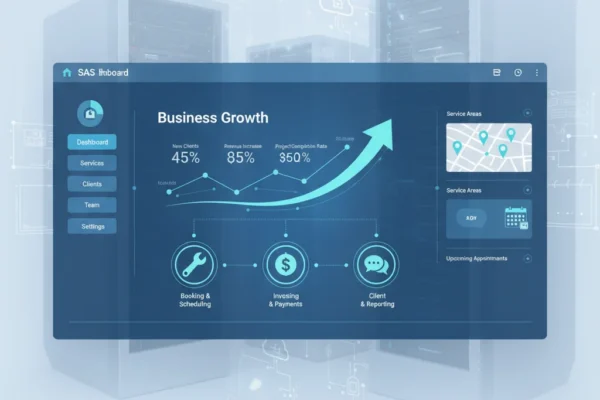
Most local service businesses approach online marketing like they’re trying to solve a Rubik’s cube blindfolded. They know it’s important, but every “expert” gives them different advice, and the results never match the promises.
We’ve worked with hundreds of dental practices, MedSpas, HVAC companies, and law firms who started their digital journey the hard way. They spent thousands on Facebook ads that brought zero appointments, hired SEO companies that delivered reports instead of patients, and built beautiful websites that nobody could find.
Here’s what we learned: online marketing isn’t rocket science, but it does require a systematic approach that fits your industry and budget. This guide breaks down exactly how local service businesses can build a profitable online presence without wasting time or money on tactics that don’t work.
Understanding Online Marketing for Local Service Businesses

Online marketing for local businesses isn’t the same as e-commerce or B2B marketing. Your customers aren’t browsing for hours comparing options , they need a dentist now, their AC broke today, or they want to book that MedSpa treatment they’ve been thinking about.
The Local Service Marketing Difference
Traditional online marketing focuses on broad reach and brand awareness. Local service marketing focuses on being found when someone in your area needs exactly what you offer. A plumber in Phoenix doesn’t care about traffic from New York , they need the homeowner three miles away whose water heater just failed.
This fundamental difference changes everything: your keywords, your content, your advertising strategy, even your website design. When someone searches “emergency dentist near me” at 11 PM, they’re not looking for your brand story , they want your phone number and availability.
The Trust Factor in Local Marketing
Local service businesses sell trust as much as they sell services. Before someone lets you into their home to fix their HVAC or trusts you with their smile, they need to believe you’re competent, reliable, and legitimate.
Your online presence becomes your digital storefront. Poor reviews, an outdated website, or inconsistent information across platforms can cost you customers before they ever call. We’ve seen practices lose thousands in revenue because their Google listing showed the wrong phone number for six months.
The Mobile-First Reality
Over 60% of local searches happen on mobile devices, and that number jumps to 80% for emergency services. Your online marketing strategy must prioritize mobile experience above everything else.
This means fast-loading pages, click-to-call buttons, simple contact forms, and location information that’s immediately visible. If someone can’t easily find your address and phone number within five seconds on their phone, they’ll call your competitor instead.
Search Engine Optimization: Getting Found When It Matters
SEO for local service businesses isn’t about ranking for “dentist” nationwide , it’s about dominating local search results when someone in your area needs your services. The strategy is completely different from traditional SEO.
Local SEO Fundamentals
Local SEO starts with your Google Business Profile (formerly Google My Business). This free listing controls how you appear in local search results, Google Maps, and the local pack , those three businesses that show up with map pins when someone searches for services near them.
Your Google Business Profile needs complete, accurate information: correct address, phone number, business hours, services offered, and high-quality photos. Incomplete profiles rank lower and convert poorly. We’ve seen practices increase calls by 40% just by adding professional photos and updating their service descriptions.
Reviews are the second pillar of local SEO. Google uses review quantity, quality, and recency as ranking factors. A dental practice with 200 recent reviews will outrank one with 50 old reviews, even if the second practice has better traditional SEO.
On-Page SEO for Local Services
Your website needs to clearly communicate what you do and where you do it. Every service page should include your city and surrounding areas naturally in the content. A MedSpa in Scottsdale might optimize for “Botox Scottsdale,” “dermal fillers Paradise Valley,” and “laser hair removal Phoenix.”
Create location-specific content that helps your community. An HVAC company could write about “preparing your Phoenix home for summer heat” or “common AC problems in Arizona homes.” This content attracts local traffic and establishes expertise.
Technical SEO matters too, but keep it simple: fast loading times, mobile responsiveness, and clean URL structure. Most local businesses don’t need complex technical optimizations , they need the basics done well.
Content Strategy That Drives Local Traffic
Content marketing for local services should answer the questions your customers actually ask. A dental practice might create content about “what to do if you chip a tooth” or “how to handle a dental emergency.” An HVAC company could explain “why your AC isn’t cooling” or “when to replace your air filter.”
This content serves two purposes: it attracts people searching for solutions to problems you solve, and it demonstrates your expertise to potential customers. Someone who reads your helpful article about dental emergencies is more likely to call you when they actually have one.
Google Ads and Pay-Per-Click Advertising

Google Ads can deliver immediate results for local service businesses, but only when set up correctly. Most businesses waste their PPC budget on broad keywords and poor targeting. The key is focusing on high-intent, location-specific searches.
High-Intent Keywords That Convert
The best PPC keywords for local services include location and urgency indicators. “Emergency plumber Phoenix,” “same day dental appointment Scottsdale,” or “AC repair near me” convert much better than generic terms like “plumber” or “dentist.”
Long-tail keywords often provide better ROI because they’re more specific and less competitive. “Invisalign dentist Paradise Valley” might cost $8 per click instead of $25 for “dentist Phoenix,” and the person searching is much more likely to book a consultation.
Negative keywords are equally important. A high-end MedSpa doesn’t want clicks from people searching “cheap Botox” or “discount cosmetic procedures.” Adding negative keywords prevents wasted spend on unqualified traffic.
Local Targeting and Ad Extensions
Geographic targeting should be precise but not too narrow. A dental practice might target a 15-mile radius around their office, but an HVAC company serving emergency calls might extend to 25 miles. Test different radius sizes and adjust based on where your actual customers come from.
Ad extensions make your ads more prominent and informative. Location extensions show your address, call extensions add your phone number, and sitelink extensions highlight specific services. These extensions improve click-through rates and provide more ways for customers to contact you.
Landing Page Optimization for Local PPC
Your PPC ads should send traffic to specific landing pages, not your homepage. Someone clicking an ad for “emergency dental care” should land on a page about emergency services, not your general practice information.
These landing pages need clear headlines, prominent contact information, and simple conversion paths. The goal is to get the visitor to call, fill out a form, or book an appointment , not to browse your entire website.
Include trust signals like certifications, awards, and patient testimonials. Social proof is especially important for PPC traffic because these visitors don’t know your business yet.
Social Media Marketing for Local Service Businesses

Social media for local services isn’t about going viral , it’s about building relationships with your community and staying top-of-mind when people need your services. The approach varies significantly by industry and platform.
Platform Selection and Strategy
Facebook remains the most important platform for most local service businesses. It’s where people ask for recommendations, share experiences, and research businesses. A strong Facebook presence with regular posts, customer interactions, and positive reviews can significantly impact local reputation.
Instagram works well for visually appealing services like MedSpas, dental practices, and home improvement. Before-and-after photos, behind-the-scenes content, and team spotlights perform well. HVAC companies might struggle with Instagram unless they focus on dramatic repair transformations or new installation showcases.
LinkedIn is valuable for B2B services like commercial HVAC, business law, or financial advisory. It’s less relevant for consumer services like dental care or MedSpa treatments.
Content That Builds Trust and Authority
Educational content performs best for local service businesses on social media. Share tips, answer common questions, and explain your processes. A dental practice might post about proper brushing technique, while an HVAC company could share energy-saving tips.
Behind-the-scenes content humanizes your business. Show your team, your workspace, and your daily operations. People want to know who they’re hiring and what to expect when you arrive at their home or office.
Customer success stories and testimonials provide social proof. Share positive reviews, before-and-after photos (with permission), and case studies that demonstrate your expertise and results.
Community Engagement and Local Networking
Social media allows you to participate in local community conversations. Join local Facebook groups, comment on community events, and share relevant local news. This builds brand awareness and positions you as a community member, not just a business.
Partner with other local businesses for cross-promotion. A MedSpa might collaborate with a local salon, or an HVAC company could partner with a home security business. These partnerships expand your reach within your target market.
Respond promptly to comments and messages. Social media users expect quick responses, especially for service businesses. A delayed response to a question about availability could mean a lost customer.
Email Marketing and Customer Retention
Email marketing for local service businesses focuses on retention and referrals rather than acquisition. Your existing customers are your most valuable asset , they’re more likely to book additional services and refer friends and family.
Building and Segmenting Your Email List
Collect email addresses at every customer touchpoint: initial consultations, service appointments, follow-up calls, and online interactions. Offer valuable content in exchange for email addresses, like maintenance checklists, care guides, or exclusive promotions.
Segment your list based on services used, customer lifetime value, and engagement level. A dental practice might have separate lists for general patients, cosmetic patients, and orthodontic patients. Each segment receives relevant content and offers.
Don’t buy email lists or add people without permission. This damages deliverability and can result in spam complaints. Focus on quality over quantity , 500 engaged subscribers are more valuable than 5,000 uninterested ones.
Automated Email Sequences for Service Businesses
Welcome sequences introduce new customers to your practice and set expectations. Include information about your team, services, policies, and what to expect during their first visit. This reduces anxiety and improves the customer experience.
Appointment reminders reduce no-shows and improve customer satisfaction. Send reminders 24-48 hours before appointments, including appointment details, preparation instructions, and contact information for rescheduling.
Follow-up sequences after service completion can gather feedback, encourage reviews, and promote additional services. A MedSpa might follow up after a facial with skincare tips and information about related treatments.
Retention Campaigns and Referral Programs
Regular maintenance reminders keep customers coming back. HVAC companies can send seasonal maintenance reminders, dental practices can schedule cleaning appointments, and MedSpas can suggest treatment touch-ups.
Referral campaigns turn satisfied customers into advocates. Offer incentives for successful referrals, but make sure the reward is valuable enough to motivate action. A $25 credit might not inspire referrals, but a free service or significant discount could.
Reactivation campaigns target customers who haven’t used your services recently. Send special offers or check-in messages to win back lapsed customers. Sometimes people just need a reminder that you exist.
Online Reputation Management
Your online reputation directly impacts your ability to attract new customers. Studies show that 90% of consumers read online reviews before choosing a local service provider, and a one-star increase in average rating can increase revenue by 5-9%.
Review Generation Strategies
The best time to ask for reviews is immediately after a positive service experience, when satisfaction is highest. Train your team to identify happy customers and ask for reviews in person. People are more likely to agree to review requests when asked face-to-face.
Make the review process as easy as possible. Send direct links to your Google Business Profile, provide step-by-step instructions, and consider using review management software that automates the process.
Don’t incentivize reviews with discounts or rewards , this violates most platforms’ terms of service and can result in penalties. Instead, focus on providing excellent service that naturally motivates customers to share their experiences.
Responding to Reviews Professionally
Respond to all reviews, both positive and negative. Thank customers for positive reviews and address concerns raised in negative reviews professionally and constructively. Your responses show potential customers how you handle problems and customer service.
For negative reviews, acknowledge the customer’s experience, apologize if appropriate, and offer to resolve the issue offline. Don’t argue or make excuses publicly , this makes you look unprofessional and defensive.
Use review responses to highlight your strengths and values. A response to a positive review about punctuality might mention your commitment to respecting customers’ time and schedules.
Monitoring and Managing Your Online Presence
Monitor mentions of your business across Google, Facebook, Yelp, industry-specific review sites, and social media platforms. Set up Google Alerts for your business name to catch mentions you might otherwise miss.
Keep your business information consistent across all platforms. Inconsistent names, addresses, or phone numbers confuse customers and hurt local SEO. Use a spreadsheet to track your listings and update them regularly.
Address fake or malicious reviews through proper channels. Most platforms have processes for reporting fraudulent reviews, but the process can be slow. Focus on generating more legitimate positive reviews to dilute the impact of fake negative ones.
Website Optimization and Conversion
Your website is often the final step before someone becomes a customer. It needs to load quickly, provide essential information clearly, and make it easy for visitors to contact you or book appointments.
Essential Elements for Service Business Websites
Contact information should be prominent on every page. Include your phone number in the header, footer, and contact page. Add click-to-call functionality for mobile users and consider live chat for immediate questions.
Service pages should clearly explain what you do, how you do it, and what customers can expect. Include pricing information when possible , transparency builds trust and filters out unqualified leads.
About pages humanize your business and build credibility. Include team photos, credentials, experience, and your story. People want to know who they’re hiring and why they should trust you with their needs.
Mobile Optimization and User Experience
Mobile optimization isn’t optional , it’s essential. Test your website on various devices and screen sizes to ensure it works well everywhere. Pay special attention to contact forms, phone numbers, and navigation menus on mobile devices.
Page speed affects both user experience and search rankings. Compress images, minimize plugins, and choose reliable hosting. A website that takes more than three seconds to load loses roughly half its visitors.
Clear navigation helps visitors find information quickly. Use descriptive menu labels, include a search function, and provide multiple ways to contact you. Frustrated visitors leave and call your competitors instead.
Conversion Optimization for Local Services
Landing pages for specific services should focus on one primary action: getting the visitor to contact you. Remove distractions, include compelling headlines, and make the contact process as simple as possible.
Social proof builds confidence in your services. Include customer testimonials, before-and-after photos, certifications, and awards throughout your website. People need reassurance before trusting you with their health, home, or appearance.
Clear calls-to-action guide visitors toward conversion. Use action-oriented language like “Schedule Your Consultation,” “Get Your Free Estimate,” or “Call Now for Emergency Service.” Make these buttons prominent and easy to find.
Measuring Success and ROI
Online marketing success for local service businesses should be measured by business outcomes, not vanity metrics. Website traffic doesn’t matter if it doesn’t generate phone calls, appointments, or revenue.
Key Performance Indicators for Local Services
Track phone calls generated by your online marketing efforts. Use call tracking numbers on your website, ads, and listings to measure which channels drive the most calls. Not all calls convert to customers, but calls are a strong indicator of marketing effectiveness.
Monitor appointment bookings and consultation requests from online sources. Many businesses use separate tracking for online bookings versus phone bookings to understand customer preferences and channel effectiveness.
Measure customer lifetime value from different marketing channels. A customer acquired through Google Ads might have a different value than one who found you through social media or organic search. This information helps you allocate budget more effectively.
Analytics Tools and Tracking Setup
Google Analytics provides detailed information about website visitors, their behavior, and conversion paths. Set up goals for important actions like contact form submissions, phone calls, and appointment bookings.
Google Search Console shows how your website performs in search results. Monitor your rankings for important keywords, identify technical issues, and track the growth of your organic search traffic.
Social media analytics reveal which content resonates with your audience and drives engagement. Most platforms provide built-in analytics, but third-party tools can provide more complete insights across multiple platforms.
Continuous Improvement and Optimization
Regular analysis of your marketing performance helps identify opportunities for improvement. Review your data monthly to spot trends, successful campaigns, and areas that need attention.
A/B testing different approaches can improve results over time. Test different ad copy, landing page designs, email subject lines, and social media content to see what works best for your audience.
Stay informed about changes in online marketing platforms and best practices. Google updates its algorithms regularly, social media platforms change their features, and customer behavior evolves. Successful online marketing requires ongoing learning and adaptation.
“The most successful local service businesses treat online marketing as a system, not a collection of random tactics. They understand their customers’ journey from problem awareness to service completion, and they create touchpoints that guide prospects through each stage.”
Online marketing for local service businesses doesn’t have to be overwhelming. Start with the basics , a strong Google Business Profile, a mobile-friendly website, and a system for generating reviews. Build from there based on your results and customer feedback.
The key is consistency and patience. Online marketing compounds over time. The content you create today, the reviews you generate this month, and the relationships you build on social media all contribute to long-term success.
Ready to see how AI can simplify your online marketing efforts and help you focus on serving customers instead of managing campaigns? Book a free demo at digimeapp.com to discover how our platform helps local service businesses automate their marketing while maintaining the personal touch that builds lasting customer relationships.