Most local businesses treat email marketing like a digital afterthought , sending the occasional newsletter when they remember, wondering why nobody opens it. We’ve watched dental practices with 2,000 patient emails get 3% open rates while their competitor down the street consistently hits 35% with half the list size.
The difference isn’t luck. It’s strategy.
Quick Answer: Effective email marketing for local businesses focuses on relationship-building over selling, uses automation to stay consistent, and segments audiences based on service needs. Most successful practices see 15-25% open rates and generate $25-40 in revenue per email sent to their list.
Why Email Marketing Still Dominates for Local Service Businesses
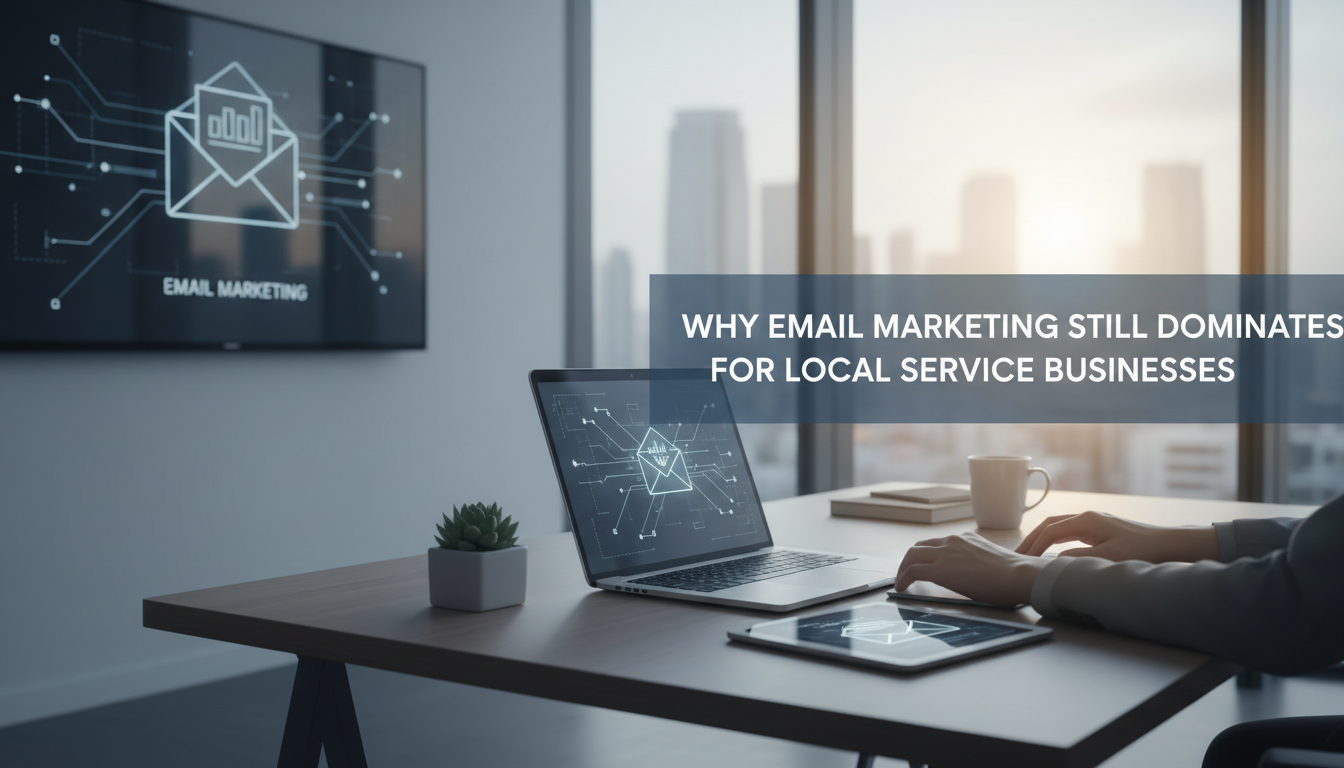
While everyone chases the latest social media trend, email marketing quietly delivers the highest ROI of any digital marketing channel. For every dollar spent, businesses typically see $36-42 in return , but only when done correctly.
The Numbers That Matter for Local Businesses
Your patients, clients, and customers check email multiple times daily. Unlike social media posts that disappear in minutes, emails sit in inboxes until opened or deleted. This staying power matters when someone needs your services at 10 PM on a Tuesday.
Consider this: when someone’s HVAC system breaks in July, they’re not scrolling Instagram for contractors. They’re checking their email for that helpful maintenance reminder you sent last month , the one with your emergency number prominently displayed.
Direct Communication Without Algorithm Interference
Social platforms control who sees your content. Email doesn’t. When you send an email to your list, it reaches their inbox. No algorithm decides whether your appointment reminder is worthy of visibility.
This direct line becomes important during busy seasons, service disruptions, or when you’re launching new treatments or services. Your MedSpa’s holiday promotion reaches everyone who opted in, not just the 3% Facebook decides to show.
Building Relationships That Drive Referrals
Email marketing excels at nurturing relationships over time. Regular, helpful communication keeps you top-of-mind when referral opportunities arise. A dental practice sharing oral health tips monthly stays more memorable than one that only emails appointment confirmations.
The key is providing value consistently. When your emails help solve problems or answer common questions, recipients view you as a trusted advisor, not just another service provider competing on price.
Setting Up Your Email Marketing Foundation

Before sending a single email, you need the right infrastructure. Most local businesses skip this step and wonder why their campaigns underperform.
Choosing the Right Email Platform
Your email marketing platform should integrate with your existing systems , your scheduling software, CRM, and website. Look for platforms that offer automation, segmentation, and detailed reporting without requiring a computer science degree to operate.
Popular options include Mailchimp for beginners, ConvertKit for content-focused businesses, and ActiveCampaign for advanced automation. The best choice depends on your technical comfort level and growth plans, not just monthly pricing.
List Building That Actually Works
Forget buying email lists or adding everyone who’s ever contacted you. Focus on attracting people who genuinely want to hear from you. Create valuable lead magnets , a dental practice might offer a teeth whitening guide, while an HVAC company could provide a seasonal maintenance checklist.
Make your signup forms prominent but not annoying. Place them on your website’s key pages, include them in your email signatures, and mention them during service appointments. The goal is making it easy for interested people to join, not tricking everyone into subscribing.
Compliance and Best Practices
Follow CAN-SPAM requirements and always include an unsubscribe option. More importantly, respect your subscribers’ trust. Only send emails you’d want to receive, and honor unsubscribe requests immediately.
Keep detailed records of how people joined your list. This protects you legally and helps you understand which lead magnets and signup methods work best for your business.
Crafting Emails That Get Opened and Read

The best email marketing strategy fails if nobody opens your messages. Success starts with understanding what motivates your specific audience to engage.
Subject Lines That Stand Out
Your subject line determines whether your email gets opened or deleted. Avoid generic phrases like “Monthly Newsletter” or “Special Offer.” Instead, focus on specific benefits or intriguing questions.
A MedSpa might use “3 signs your skincare routine isn’t working” instead of “Beauty Tips Newsletter.” An HVAC company could try “Why your energy bill doubled last month” rather than “HVAC Maintenance Tips.” Specificity beats generality every time.
Test different approaches with small segments of your list. Some audiences respond to urgency, others to curiosity, and many prefer straightforward benefit statements. Let your open rates guide your strategy.
Content That Provides Genuine Value
Every email should answer the question: “What’s in this for me?” Share insights your audience can’t easily find elsewhere. A dental practice might explain why certain foods cause sensitivity, while a law firm could clarify common legal misconceptions.
Mix educational content with soft promotional messages. The 80/20 rule works well , 80% helpful information, 20% direct promotion. This balance keeps subscribers engaged while still driving business results.
Design for Mobile and Scanability
Most people read emails on their phones, so design accordingly. Use short paragraphs, bullet points, and clear headings. Include plenty of white space and make your call-to-action buttons large enough to tap easily.
Test your emails on different devices before sending. What looks perfect on your desktop might be unreadable on a smartphone. Many email platforms offer mobile preview options , use them.
Email Automation That Saves Time and Increases Revenue

Manual email marketing doesn’t scale. Automation handles routine communications while you focus on serving customers and growing your business.
Welcome Series That Set Expectations
New subscribers are most engaged immediately after joining your list. Create a welcome series that introduces your business, sets communication expectations, and provides immediate value.
A three-email welcome series might include: an introduction to your team and services, your most popular resources or tips, and information about what to expect from future emails. This sequence runs automatically, ensuring every new subscriber gets the same positive first impression.
Appointment and Service Reminders
Reduce no-shows and improve customer experience with automated reminders. Send appointment confirmations immediately after booking, followed by reminders 24-48 hours before the scheduled time.
Include relevant preparation instructions, parking information, and your contact details. For service businesses, add weather-related updates or access instructions. These practical details reduce customer anxiety and demonstrate professionalism.
Follow-Up Sequences for Different Services
Different services require different follow-up approaches. Dental cleanings might trigger a six-month reminder sequence, while MedSpa treatments could include aftercare instructions and product recommendations.
Create service-specific automation that provides relevant information at the right time. This targeted approach feels personal while running completely automatically.
Segmentation Strategies for Local Service Businesses
Sending the same email to everyone wastes opportunities and annoys subscribers. Smart segmentation ensures the right people receive the most relevant messages.
Service-Based Segmentation
Group subscribers based on the services they’ve used or expressed interest in. A dental practice might segment by general dentistry, cosmetic procedures, and orthodontics. Each group receives content tailored to their specific needs and interests.
This approach allows for highly targeted promotions. Your cosmetic dentistry segment receives teeth whitening specials, while your general dentistry group gets cavity prevention tips. Relevance drives engagement and results.
Customer Lifecycle Stages
New customers need different information than long-term clients. Create segments for prospects, new customers, regular clients, and inactive customers. Each group requires a different communication approach and frequency.
Prospects might receive educational content and service introductions. New customers get onboarding information and first-visit preparation. Regular clients receive maintenance reminders and loyalty rewards. Inactive customers get re-engagement campaigns with special offers.
Geographic and Demographic Targeting
Local businesses often serve multiple locations or demographic groups. Segment by zip code, age range, or service preferences to deliver more relevant content.
An HVAC company serving both residential and commercial clients should segment accordingly. Homeowners receive seasonal maintenance tips and energy-saving advice. Commercial clients get information about system upgrades and compliance requirements.
Measuring Success: Email Marketing Metrics That Matter
Tracking the right metrics helps you improve performance and demonstrate ROI. Focus on metrics that directly connect to business outcomes, not just vanity numbers.
Open Rates and Click-Through Rates
Open rates show how compelling your subject lines are, while click-through rates indicate content relevance. Industry benchmarks vary, but local service businesses typically see 20-25% open rates and 3-5% click-through rates.
Track these metrics over time to identify trends. Declining open rates might indicate list fatigue or poor subject line performance. Improving click-through rates often requires better content alignment with subscriber interests.
Conversion Tracking and Revenue Attribution
The most important metric is revenue generated from email campaigns. Track how many email recipients book appointments, make purchases, or request quotes. This data proves email marketing’s value and guides budget allocation.
Use unique tracking codes or dedicated landing pages to measure email-specific conversions. Many businesses underestimate email marketing’s impact because they don’t track it properly.
List Growth and Engagement Quality
Monitor both list size and engagement quality. A smaller, highly engaged list often outperforms a larger, disinterested one. Track unsubscribe rates, spam complaints, and long-term subscriber behavior.
Focus on attracting quality subscribers rather than just growing numbers. Engaged subscribers become customers, refer friends, and provide valuable feedback. Disengaged subscribers hurt deliverability and waste resources.
Advanced Email Marketing Tactics for Local Businesses
Once you’ve mastered the basics, advanced tactics can significantly improve results and efficiency.
Behavioral Trigger Campaigns
Set up emails that trigger based on specific actions or behaviors. When someone visits your pricing page multiple times, send information about financing options. If they download a service guide, follow up with case studies or testimonials.
These behavioral triggers feel highly personalized while running automatically. They respond to demonstrated interest with relevant information, increasing conversion likelihood.
Seasonal and Event-Based Campaigns
Plan email campaigns around seasonal needs and local events. HVAC companies prepare heating system campaigns before winter, while MedSpas promote summer skin treatments in spring.
Create annual email calendars that align with your business cycles and local events. This planning ensures consistent communication and prevents last-minute campaign scrambles.
Integration with Other Marketing Channels
Connect email marketing with your other marketing efforts. Use email to drive social media engagement, promote blog content, and support advertising campaigns.
Cross-channel integration amplifies your message and provides multiple touchpoints with potential customers. Someone might see your Facebook ad, visit your website, and then receive a follow-up email , each interaction reinforces your message.
Common Email Marketing Mistakes to Avoid
Learning from others’ mistakes saves time and improves results. These common errors can derail even well-intentioned email marketing efforts.
Over-Promoting and Under-Delivering Value
The biggest mistake is treating every email as a sales pitch. Subscribers quickly tune out businesses that only promote services without providing useful information.
Balance promotional content with educational material, industry insights, and helpful tips. When you do promote services, explain the benefits clearly and include social proof like testimonials or case studies.
Ignoring Mobile Optimization
Many businesses design emails for desktop viewing, forgetting that most people read emails on mobile devices. Poor mobile formatting leads to immediate deletion and unsubscribes.
Always preview emails on mobile devices before sending. Use responsive design templates and keep subject lines under 50 characters for mobile visibility.
Inconsistent Sending Schedules
Sporadic email sending confuses subscribers and reduces engagement. Some businesses send daily emails for a week, then nothing for months. This inconsistency makes it hard to build relationships and maintain top-of-mind awareness.
Establish a realistic sending schedule and stick to it. Whether weekly, bi-weekly, or monthly, consistency builds trust and expectation. Subscribers should know when to expect your emails.
Getting Started: Your 30-Day Email Marketing Action Plan
Ready to implement email marketing for your local business? This 30-day plan provides a structured approach to launching your first campaign.
Week 1: Foundation Setup
Choose your email marketing platform and set up your account. Create your first lead magnet , something valuable that encourages signups. Install signup forms on your website and start collecting subscribers.
Focus on getting the technical setup right before worrying about advanced features. A simple, working system beats a complex, broken one.
Week 2-3: Content Creation and Automation
Write your welcome email series and set up basic automation. Create templates for common email types like appointment reminders and follow-ups. Start building your content calendar for regular newsletters.
Don’t aim for perfection , aim for consistency. You can improve your emails over time, but you can’t improve emails you never send.
Week 4: Launch and Optimize
Send your first newsletter and monitor the results. Track open rates, click-through rates, and any business inquiries generated. Use this data to refine your approach and plan future campaigns.
Remember that email marketing is a long-term strategy. Focus on building relationships and providing value, and the business results will follow.