Best Marketing Campaigns: Data-Driven Lessons for 2026
The best marketing campaigns are coordinated, audience-first efforts that combine a sharp creative idea with measurable business objectives. Updated for 2026, this guide breaks down what separates legendary campaigns from forgettable ones.
Key Takeaways
- A great marketing campaign solves a real business problem through a creative, audience-first idea.
- Data and consumer insights are the foundation of the marketing campaigns, reducing guesswork and improving ROI.
- Iconic campaigns like Nike’s “Just Do It” and Always’ “#LikeAGirl” shifted cultural perceptions and built enduring brand loyalty.
- Modern marketing uses AI, deepfake technology, and personalization to create hyper-relevant, shareable content.
- Measurement frameworks and continuous iteration turn a good campaign into one of the this type of campaigns ever run.
- Even small local businesses can apply these principles by starting with audience data and a single, honest message.
What Defines the Best Marketing Campaigns?
The Formula for a Legendary Campaign
A marketing campaign is a coordinated series of promotional activities designed to achieve a specific business objective. The this kind of campaigns share a common formula: deep understanding of the target audience, a simple yet powerful core message, and sharp execution across the right channels. According to Adobe’s business blog, legendary marketing serves as a “high-performance engine” that scales businesses, shifts cultural conversations, and defines brands for generations. Without audience insights, even the most creative idea risks falling flat.
How Data Elevates Creativity
Data-driven marketing is the strategy of using consumer data and analytics to guide campaign decisions. In the best marketing, data doesn’t stifle creativity. It sharpens it. The Orange France campaign that swapped male soccer players’ faces onto female athletes’ bodies used insights showing 44% of sports fans think women’s sports should be highlighted more by the media. By grounding a bold creative move in hard numbers, the campaign resonated powerfully and spread fast. Similarly, Flo Health’s pregnancy app succeeded because it leaned on data: 25% of women had used a health or fitness app recently, and 40% of women say researching health issues is a key reason they use the internet. These insights directly shaped both the product and the campaign.
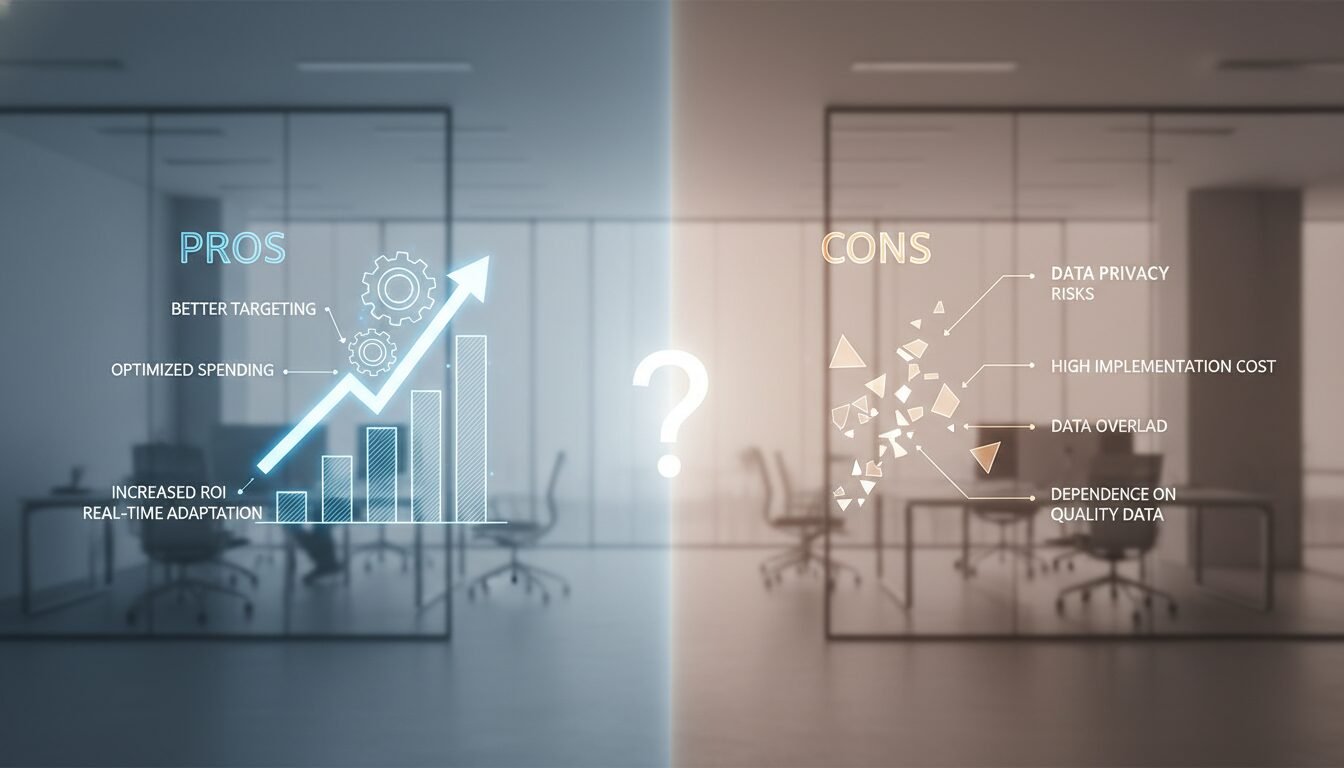
Pros and Cons of Data-Driven Campaign Strategy
Pros
- Reduces guesswork: Real consumer data tells you what your audience actually wants, not what you assume they want.
- Improves ROI: Campaigns built on verified insights consistently outperform those built on gut instinct alone.
- Enables personalization: Data lets you tailor messages to specific segments, making mass advertising feel personal.
- Supports iteration: Real-time analytics mean you can optimize mid-campaign rather than waiting for a post-mortem.
- Builds long-term brand equity: Campaigns grounded in genuine consumer truths, like Dove’s Real Beauty, earn loyalty that outlasts any single ad cycle.
Cons
- Data can narrow thinking: Over-reliance on analytics sometimes kills bold creative swings that data wouldn’t have predicted.
- Privacy and compliance risk: Collecting and using consumer data requires strict GDPR and CCPA compliance. A misstep can damage brand trust fast.
- Requires investment: Quality data tools, from GWI to Adobe Analytics, carry real costs that smaller businesses must weigh carefully.
- Lag between insight and action: By the time data reveals a trend, competitors may already be acting on it.
Data-Backed Examples of the Best Marketing Campaigns
Orange France: Exposing Bias with AI
One of the marketing campaigns of 2024, Orange France used deepfake technology to highlight unconscious bias in sports. The ad spliced men’s faces onto female soccer players’ bodies, creating a stunning reveal that challenged viewers’ assumptions. This campaign tapped into two powerful trends: 44% of sports fans demand more media coverage of women’s sports, and 60% of consumers express excitement about AI development, according to GWI’s audience research. By grounding the creative in real audience sentiment, Orange France turned a mobile network ad into a global conversation starter.
Flo Health: Personalizing Pregnancy Support
Flo Health, the world’s most popular female health app, redefined user engagement with its Pregnancy mode. The app delivers digestible, Instagram-style stories tailored to each stage of pregnancy. This approach was born from clear data: Flo had surpassed 300 million downloads and 55 million monthly active users, and 40% of women prioritize online health research. By meeting women where they already consumed content, Flo created one of the this type of campaigns in the healthtech space, driving strong retention and word-of-mouth growth.
Barbie: The Breadcrumb Strategy
The Barbie movie campaign deployed a “breadcrumb strategy,” dropping small, tantalizing glimpses of the film to fuel curiosity over months. While Warner Bros. stayed quiet on exact figures, insiders estimated a marketing spend of $150 million on top of a $145 million production budget. The result was a cultural phenomenon that became the highest-grossing film of 2023. The campaign proves that sustained, multi-platform storytelling can turn a product into a global event.
“The Barbie campaign didn’t just sell a movie. It sold a feeling, a color, and a cultural moment. That’s what happens when you commit fully to a single creative idea across every touchpoint.” – Marketing Week analysis, 2023
Apple: Think Different
Launched in 1997, Apple’s “Think Different” campaign is one of the most studied examples of brand repositioning in history. At a time when Apple was weeks from bankruptcy, the campaign didn’t show a single product. Instead, it celebrated the rebels and misfits who change the world, aligning the brand with human creativity rather than technical specs. According to brand strategy research cited by book180, the campaign helped Apple recover market confidence and laid the emotional groundwork for every product launch that followed. The lesson: sometimes the best marketing campaigns sell an identity, not a product.
Coca-Cola: Share a Coke
Coca-Cola’s “Share a Coke” campaign replaced its iconic logo with 150 of the most popular first names in Australia before rolling out globally. The idea was simple: make a mass-market product feel personal. The campaign drove a measurable lift in sales volume in markets where it launched and generated millions of social media posts as consumers hunted for their names. It’s a textbook example of personalization at scale, a principle that now sits at the center of modern digital marketing strategy.
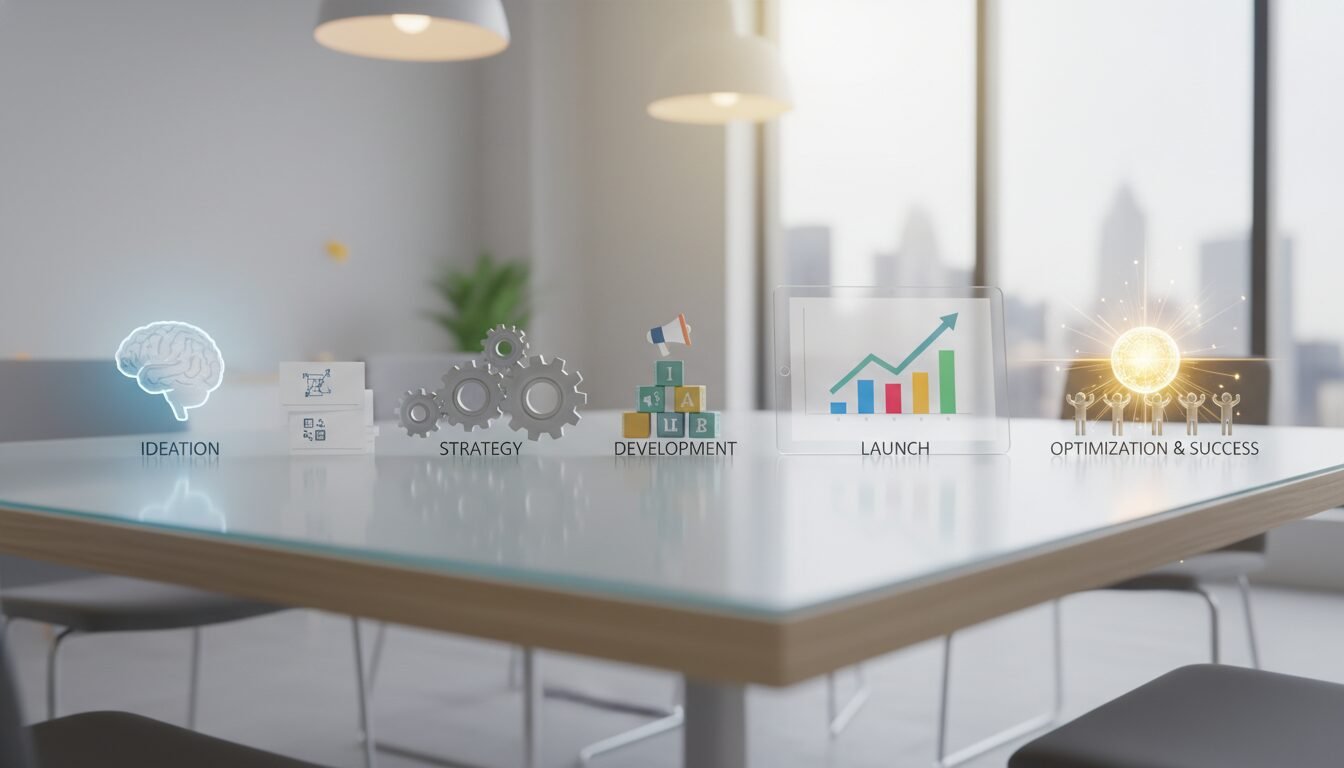
Step-by-Step: Creating a Best Marketing Campaign
Step 1: Uncover Audience Insights
Every successful campaign starts with a deep, data-backed understanding of your audience. Use tools like GWI, Google Analytics, or Adobe Analytics to gather both quantitative and qualitative data. Look for unmet emotional needs, cultural tensions, and behavioral patterns. Always’ #LikeAGirl campaign, for example, was built on research showing that girls’ confidence drops sharply during puberty. That single truth became the creative spark for one of the most shared campaigns of the decade.
Step 2: Craft a Core Message
Your message must be simple, memorable, and tied to a universal human truth. Nike’s “Just Do It” was born from the insight that the hardest part of any fitness journey is simply starting. That three-word line cut through self-doubt and became one of the most recognized slogans in history. The best marketing campaigns turn a powerful message into a flexible idea that works across TV, social, and out-of-home placements.
Step 3: Choose the Right Channels
Where your audience spends time dictates your media mix. The Barbie campaign spanned cinema, social media, merchandise, and brand partnerships because its target audience was essentially everyone. For a B2B software campaign, LinkedIn and trade publications typically deliver stronger returns. Align channel selection with data on how your specific audience actually consumes media, not how you assume they do.
Step 4: Launch, Measure, Iterate
Launch is just the beginning. Set clear KPIs across awareness, engagement, conversion, and revenue, then use real-time analytics to optimize. Old Spice’s “The Man Your Man Could Smell Like” campaign famously responded to social media comments with personalized video replies, amplifying reach and turning a TV spot into an interactive event. Continuous testing separates good campaigns from the very best marketing campaigns.
Comparing Marketing Channels for Your Best Campaign
Traditional vs. Digital: Where to Invest
Not all channels deliver equal results. The table below compares common channels used in the best marketing campaigns. Choose based on your objectives, budget, and where your audience actually spends time.
| Channel | Strength | Best For | Example Campaign |
|---|---|---|---|
| TV & Cinema | Mass reach, emotional storytelling | Brand building, awareness | Orange France, Old Spice |
| Social Media | Engagement, virality, targeting | Community building, real-time interaction | Always #LikeAGirl, Dove Real Beauty |
| Search & PPC | High intent, measurable | Lead generation, direct sales | SaaS campaigns (e.g., Adobe Marketo) |
| OOH & Experiential | Physical impact, novelty | Brand buzz, local targeting | Barbie billboards, KitKat vending machine |
The Power of Social Media and Influencers
Social media turns campaigns into movements. Dove’s “Real Beauty” invited women to share their own definitions of beauty, generating millions of user-generated posts. Influencers amplify this effect: Flo Health collaborated with maternal health advocates, while Barbie partnered with thousands of creators across TikTok and Instagram. The most successful campaigns make sharing a natural, almost irresistible part of the experience.
The Emotional Core of the Best Marketing Campaigns
Nike: Just Do It – Turning Self-Doubt into Action
Launched in 1988 with a TV spot featuring an 80-year-old marathoner, “Just Do It” addressed a universal emotional barrier: the fear of starting. Nike repositioned itself from an elite athlete brand to a champion of everyday perseverance. As book180 notes, the line is “radically simple” and “endlessly adaptable,” making it one of the best marketing campaigns of all time. It expanded Nike’s addressable market and cemented a brand identity that has lasted nearly 4 decades.
Dove: Real Beauty – Redefining Standards
Dove’s 2004 campaign challenged narrow beauty ideals by featuring real women rather than professional models. It capitalized on a growing disconnect between advertising and reality, turning a soap brand into a self-esteem advocate. The campaign’s longevity, still running more than 20 years later, proves that aligning with genuine consumer values creates loyalty that advertising spend alone can’t buy. This purpose-driven approach is a defining characteristic of the best marketing campaigns.
Old Spice: Humor That Sells
Old Spice revived a tired brand by targeting the actual purchase decision-maker: women buying products for their partners. The absurd, fast-paced “The Man Your Man Could Smell Like” ads blended humor with a confident persona that both genders appreciated. The campaign’s interactive social media follow-ups made it a genuine cultural moment. It’s a sharp lesson in understanding secondary buyer personas. The person paying at checkout isn’t always the end user.
“Old Spice didn’t just change its advertising. It changed who it was talking to. Recognizing that women drove the purchase decision was the strategic insight that made everything else possible.” – HubSpot State of Marketing analysis
B2B Campaigns Deserve Attention Too
Most campaign case studies focus on consumer brands, but B2B marketing has produced some genuinely impressive work. Workday, the enterprise HR software company, ran a campaign featuring famous musicians and actors asking “Why do we work?” to reframe a dry software category as a human one. Monzo, the UK digital bank, built its early growth almost entirely through a referral-based waitlist that made customers feel like insiders. Both examples show that the principles behind the best marketing campaigns, audience insight, emotional truth, and a simple message, apply just as powerfully in B2B contexts. According to the HubSpot State of Marketing report, B2B brands that invest in brand storytelling alongside demand generation consistently see stronger long-term pipeline performance.
Measuring the Impact of Best Marketing Campaigns
Key Metrics: From Awareness to ROI
Without measurement, you can’t improve. The best marketing campaigns track a full funnel of metrics: reach, engagement, conversion, and revenue. For the Barbie campaign, box office numbers were the ultimate ROI signal. For Flo Health, monthly active users and 30-day retention rates defined success. ROI in marketing measures the profit generated by a campaign relative to its cost. Always tie creative efforts back to specific business outcomes, or the results become impossible to defend internally.
Tools for Campaign Analytics
Brands rely on platforms like Google Analytics, Adobe Marketo, and social listening tools to gauge performance. GWI’s audience data helps marketers understand shifting consumer attitudes before they become mainstream trends. A/B testing creative, messaging, and channels ensures continuous optimization. The best marketing campaigns are never static. They evolve based on real-time feedback and a willingness to kill what isn’t working.
The Future of Marketing Campaigns: AI and Personalization
AI-Generated Creative at Scale
Artificial intelligence is changing how campaigns are built and delivered. The Orange France campaign used AI deepfakes, but AI’s role goes much further. Generative AI tools can now write copy, design visual variations, and produce multiple video cuts in the time it used to take to brief a creative team. With 60% of consumers expressing excitement about AI development, according to GWI, brands that use these tools responsibly will have a real production advantage. As of 2026, the most forward-thinking marketing teams treat AI as a creative collaborator, not a replacement for human strategy.
Hyper-Personalization in Real Time
Personalization is the practice of tailoring marketing messages to individual consumers based on their behavioral and contextual data. Flo Health’s pregnancy stories are a clear example: the content changes based on each user’s due date. Future campaigns will use real-time data streams, including location, weather, and browsing behavior, to serve contextually precise messages. This shift will define the next generation of best marketing campaigns, making mass advertising feel as relevant as a direct recommendation from a trusted friend.
Privacy, GDPR, and Responsible Data Use
Personalization only works if consumers trust you with their data. As of 2026, GDPR in Europe and CCPA in California set strict rules on how consumer data can be collected, stored, and used in campaigns. Brands that treat data privacy as a compliance checkbox rather than a genuine commitment risk both regulatory penalties and public backlash. The best campaigns build consent and transparency into the experience from the start, not as an afterthought. This is especially relevant for healthtech brands like Flo Health, where data sensitivity is high.
Applying These Lessons to Your Own Business
Where Local Service Businesses Fit In
You don’t need a $150 million budget to run a campaign that works. A dental practice, MedSpa, or HVAC company can apply the same core principles: start with a genuine audience insight, build a simple message around it, and choose 1-2 channels where your specific customers actually spend time. For local businesses, Google Search and a well-managed social presence often outperform broader brand channels. The key is consistency and measurement. Run a campaign for 90 days, track what moves the needle, and double down on what works.
If you want to see how AI-powered marketing tools can help a local service business run smarter campaigns without a dedicated marketing team, book a free demo at digimeapp.com to see how it works for your practice.
Frequently Asked Questions
What are the best marketing campaigns of all time?
Iconic examples include Nike’s “Just Do It” (1988), Dove’s “Real Beauty” (2004), Always’ “#LikeAGirl,” Apple’s “Think Different” (1997), and Coca-Cola’s “Share a Coke.” Each combined emotional resonance with strategic clarity to achieve lasting cultural and commercial impact.
How can I create one of the best marketing campaigns for my business?
Start with in-depth audience research to find a genuine, unspoken truth your brand can champion. Define a simple core message, choose channels where your audience actually spends time, and launch with clear KPIs. Then iterate based on real data rather than assumptions.
Why is data important for marketing campaigns?
Data reveals real consumer behaviors and preferences, reducing guesswork and sharpening creative decisions. It helps you tailor messages to resonate deeply with specific audiences and optimize performance mid-campaign. Without data, even a brilliant creative idea risks missing the people it was meant to reach.
What is an example of a data-driven marketing campaign?
Flo Health’s pregnancy app campaign used insights showing that 25% of women use health apps regularly and 40% research health issues online. Those findings directly shaped a personalized content strategy that drove strong engagement and retention among its 55 million monthly active users.
How does AI fit into modern marketing campaigns?
AI enables deep personalization, generates creative variations at scale, and surfaces audience insights from large datasets. The Orange France campaign used AI deepfakes to challenge gender bias in sports media, while tools like generative AI platforms now help marketing teams produce copy and visual assets far faster than traditional workflows allow.
What is the most expensive marketing campaign ever?
While exact figures are rarely disclosed publicly, the Barbie movie campaign is estimated to have spent $150 million on marketing alone, separate from its $145 million production budget, making it one of the most ambitious and well-documented campaign investments in recent history.