Key Takeaways
- Online advertising internet marketing uses internet channels to promote products and services, including search engines, social media, email, and display ads.
- It offers precise targeting, measurable results, and unmatched cost efficiency compared to traditional advertising methods like TV or print.
- In 2026, AI-driven automation and privacy-first strategies are reshaping how businesses run online ad campaigns.
- Success requires a mix of channels, continuous optimization, and adherence to regulations like GDPR and CCPA.
Online advertising internet marketing is a form of marketing that uses the internet to deliver promotional messages and drive consumer action across digital platforms.
What Is Online Advertising Internet Marketing?

Definition and Scope
internet marketing is the practice of promoting goods and services through internet-based channels. According to Wikipedia, it includes email marketing, search engine marketing (SEM), social media marketing, display advertising, and mobile advertising. These ads are increasingly delivered via programmatic advertising, automated software systems that buy and place ads across multiple websites and platforms in real time.
Internet marketing is a broader term that often includes organic tactics like search engine optimization (SEO) and content marketing alongside paid ads. However, many professionals use the phrases interchangeably. The key distinction is that these marketing specifically refers to paid promotional activities on the internet, while digital marketing may also cover non-internet digital channels like SMS or digital billboards.
How It Differs from Traditional Marketing
Traditional marketing relies on one-way broadcast methods, TV commercials, radio spots, print ads, and billboards. such internet marketing flips this model into a two-way interaction. Brands can engage directly with consumers, gather instant feedback, and adjust campaigns on the fly. Industry data shows that U.S. online advertising spend reached $125.2 billion in 2019, surpassing television ($70.4 billion) by over $54 billion, a clear indicator of this shift.
Key Types of Online Advertising
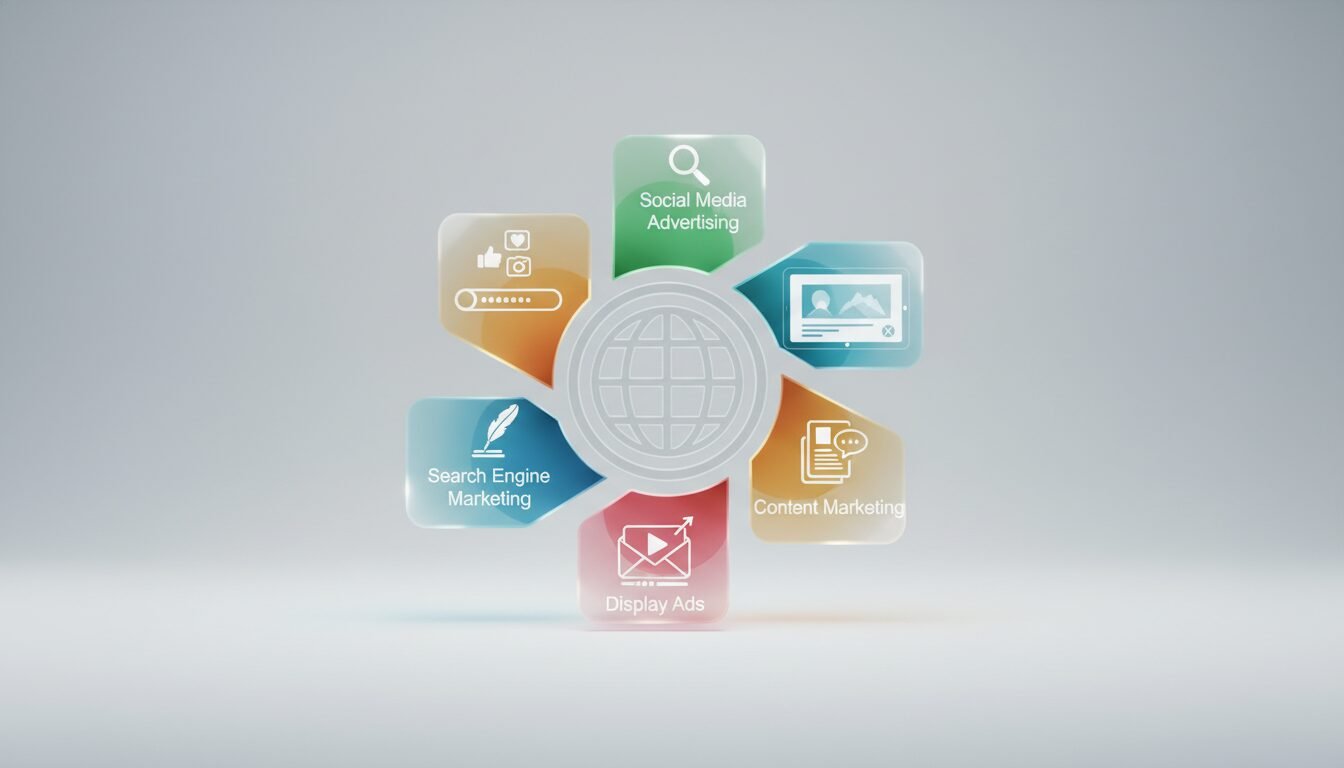
Search Engine Advertising (PPC)
Pay-per-click (PPC) ads appear at the top of search engine results pages. Advertisers bid on keywords, and they pay only when someone clicks. Study.com reports that 65% of shoppers click on Google ads during their purchase process, making search ads one of the highest-intent advertising formats available.
Display and Banner Ads
Display advertising uses images, videos, or rich media placed on websites within an ad network. They are often sold on a cost-per-thousand-impressions (CPM) basis and are excellent for building brand awareness. Retargeting, showing display ads to people who previously visited your site, is a powerful tactic to bring back potential customers.
Social Media Advertising
Platforms like Facebook, Instagram, LinkedIn, and TikTok allow advertisers to target users based on demographics, interests, behaviors, and even life events. Social ads can be in-feed, stories, or sponsored messages, and they support a range of objectives from conversions to app installs.
Email Marketing
Far from being outdated, email marketing delivers strong returns for businesses. It is permission-based, direct, and highly personalizable. Segmented campaigns based on past purchases or browsing behavior significantly boost open and click-through rates.
Video Advertising
Video ads on YouTube, streaming services, and social platforms capture attention like no other format. TrueView ads on YouTube, for example, let advertisers pay only when viewers watch at least 30 seconds or interact. With over 4.6 billion internet users globally in 2021, video content dominates as the most consumed media type online.
Benefits of Online Advertising Internet Marketing

“Reaching 1,000 people through social media platforms requires just $2.50, while direct mail costs $57 and TV advertising costs $28. This price efficiency allows smaller companies to compete with established brands.” , Study.com
Cost Efficiency
Compared to traditional channels, the advertising internet marketing offers dramatically lower entry costs. A local business can launch a targeted Facebook ad campaign for as little as $5 per day and reach hundreds of potential customers. The ability to set daily budgets and pause underperforming ads ensures no dollar is wasted.
Precise Targeting and Personalization
Online platforms let you define audiences by location, age, gender, interests, browsing history, and purchase intent. This granular targeting means your ads are shown only to the most relevant users, boosting conversion rates and reducing ad fatigue.
Measurable Performance and Analytics
Every click, impression, and conversion is trackable in real time. Marketers can see exactly which ads drive sales, which keywords perform best, and where to allocate more budget. This data-driven culture of marketing makes optimization an ongoing process rather than a guessing game.
Pros and Cons
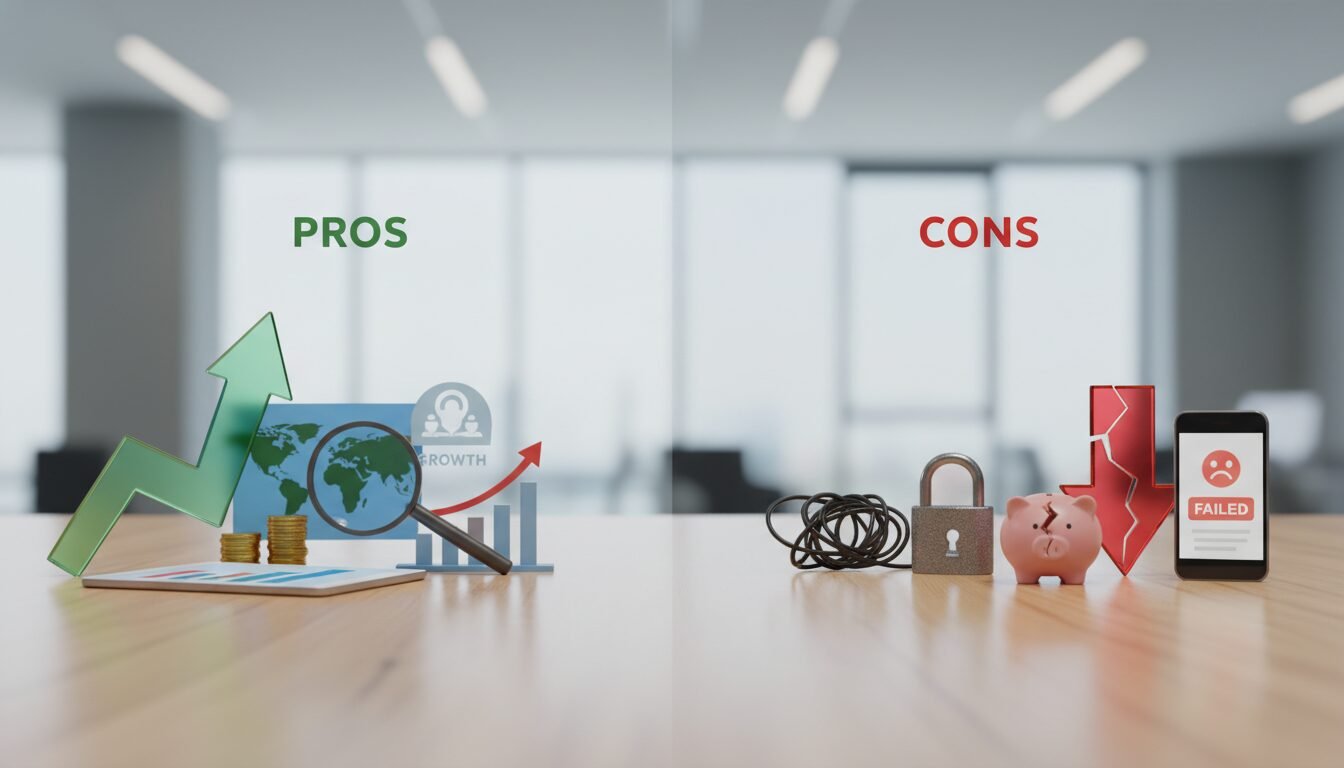
Pros
- Lower cost compared to traditional advertising channels
- Precise audience targeting and personalization options
- Real-time performance tracking and optimization
- Global reach with local targeting capabilities
- Immediate campaign adjustments and budget control
Cons
- Increasing competition drives up advertising costs
- Privacy regulations limit tracking and targeting options
- Ad blockers reduce reach and effectiveness
- Requires ongoing optimization and technical knowledge
- Platform algorithm changes can impact performance
Comparing Online Advertising Channels
| Online Ad Type | Cost Model | Key Advantage | Best For |
|---|---|---|---|
| Search Ads (PPC) | Cost per click (CPC) | High‑intent targeting | Direct sales, lead generation |
| Display Ads | Cost per mille (CPM) | Broad brand visibility | Awareness, retargeting |
| Social Media Ads | CPC / CPM | Detailed audience profiling | Engagement, community building |
| Email Marketing | Flat fee or per email | Direct, personalized communication | Customer retention, nurturing |
| Video Ads | CPM / CPV | High engagement, storytelling | Product demos, brand stories |
How to Build an Effective Online Advertising Internet Marketing Strategy
Step 1: Define Your Target Audience
Create detailed buyer personas based on demographics, online behavior, and pain points. Use tools like Google Analytics, social media insights, and customer surveys to gather data.
Step 2: Set Clear Budget and KPIs
Determine how much you can spend and what success looks like, click-through rate (CTR), conversion rate, cost per acquisition (CPA), or return on ad spend (ROAS). Align these metrics with your overall business goals.
Step 3: Choose the Right Platforms
Not every platform fits every business. B2B companies often thrive on LinkedIn, while B2C brands see better returns on Instagram and TikTok. Google Ads works well for intent-driven searches. Pick channels where your audience is most active.
Step 4: Create Compelling Ad Creatives
Write clear, benefit-focused copy and pair it with eye-catching visuals. A/B test different headlines, images, and calls-to-action. Video ads under 15 seconds tend to hold attention best on mobile.
Step 5: Launch, Monitor, and Optimize
Start with a small budget to test. Use analytics to identify winning ads and scale them. Adjust bids, pause low performers, and refresh creatives regularly to avoid ad fatigue.
The Role of AI and Automation in Online Advertising
“AI-powered online advertising platforms can analyze millions of data points in real-time, optimizing campaigns faster than any human team. This automation is becoming essential for competitive advantage in 2026.” , Industry Marketing Research
Programmatic Advertising and Real-Time Bidding
Programmatic advertising uses algorithms to buy and place ads in milliseconds. It analyzes user data to serve the right ad at the right moment, maximizing efficiency. Most display ads in the U.S. are now transacted programmatically, according to industry estimates.
AI-Powered Creative Optimization
Modern AI tools can generate hundreds of ad variations, testing headlines, images, and colors, and automatically push the best-performing combos. This reduces the manual work of split testing and speeds up campaign iteration for internet marketing campaigns.
Predictive Analytics for Campaign Performance
Machine learning models forecast click-through rates and conversion probabilities before you spend a dime. This allows marketers to allocate budgets more intelligently and avoid underperforming segments.
Privacy Regulations and the Cookieless Future
Impact of GDPR, CCPA, and E‑Privacy Laws
Regulations like the EU’s General Data Protection Regulation (GDPR) and California’s CCPA give users more control over their data. Advertisers must obtain explicit consent before tracking online behavior. The FTC enforces truth-in-advertising standards in the U.S., ensuring that digital ads are not deceptive or unfair.
First‑Party Data Strategies
With third-party cookies phased out by major browsers, online advertising internet marketing is shifting toward first-party data, information collected directly from your customers via website interactions, purchases, and newsletters. Building a robust first-party data asset is now critical for personalized targeting.
Contextual Targeting Alternatives
Instead of tracking user behavior, contextual targeting places ads based on the content of the webpage. If someone reads an article about hiking, they see an ad for camping gear. This privacy-safe approach is regaining popularity and often matches the relevance of behavioral targeting.
Measuring Success in Internet Marketing
Key Performance Indicators (KPIs)
Essential KPIs include impressions (how many times your ad was shown), click-through rate (CTR), conversion rate, cost per acquisition (CPA), and return on ad spend (ROAS). Each tells a different part of the performance story.
Attribution Models
Attribution determines which touchpoint gets credit for a conversion. First-click, last-click, linear, and data-driven models offer different perspectives. Selecting the right model ensures you don’t over-invest in channels that appear effective but really just assist conversions.
Using Analytics Tools
Google Analytics 4, Facebook Ads Manager, and third‑party platforms like HubSpot provide deep insights. Regularly reviewing these dashboards helps you spot trends, cut waste, and double down on what works for your online advertising internet marketing efforts.
Frequently Asked Questions
What is online advertising internet marketing?
Online advertising internet marketing is the practice of using internet channels, such as search engines, social media, email, and websites, to promote products and services to targeted audiences. It encompasses both paid advertising and broader digital marketing tactics.
What are the main types of online advertising?
The main types include search engine ads (PPC), display banners, social media ads, email marketing, video ads, and affiliate marketing. Each serves different purposes and audience engagement strategies.
How much does online advertising cost?
Costs vary by channel. Social media ads can cost as little as $2.50 per 1,000 impressions, while search ads often charge per click based on keyword competition. Small daily budgets (e.g., $5–$10) can still yield meaningful results.
What is the difference between online advertising and digital marketing?
Online advertising internet marketing refers specifically to paid internet-based promotions. Digital marketing is a broader term that includes both paid and organic tactics, and may also cover non‑internet digital channels like SMS or digital billboards.
How can I measure the success of my online advertising campaigns?
Track metrics such as click-through rate, conversion rate, cost per acquisition, and return on ad spend using analytics tools. Compare these numbers against your goals to gauge performance and optimize accordingly.
What are the future trends in online advertising for 2026?
Key trends include increased use of AI for creative optimization, a continued shift to first-party data due to cookie depreciation, and growth in programmatic audio and connected TV advertising.
Online advertising internet marketing continues to evolve rapidly. By staying informed on emerging technologies, respecting user privacy, and relentlessly testing and optimizing campaigns, businesses of any size can build a profitable digital presence in 2026 and beyond. Book a free demo at digimeapp.com to see how AI can transform your practice.